
Planning for the future can be an uncomfortable topic, especially when it comes to medical decisions and end-of-life care. But one of the most empowering and compassionate choices an elderly person can make is preparing an advance directive.
We explore what advance directives mean, why they matter, and how they help seniors and their families make informed, peaceful decisions when it matters most.
What is an Advance Directive?
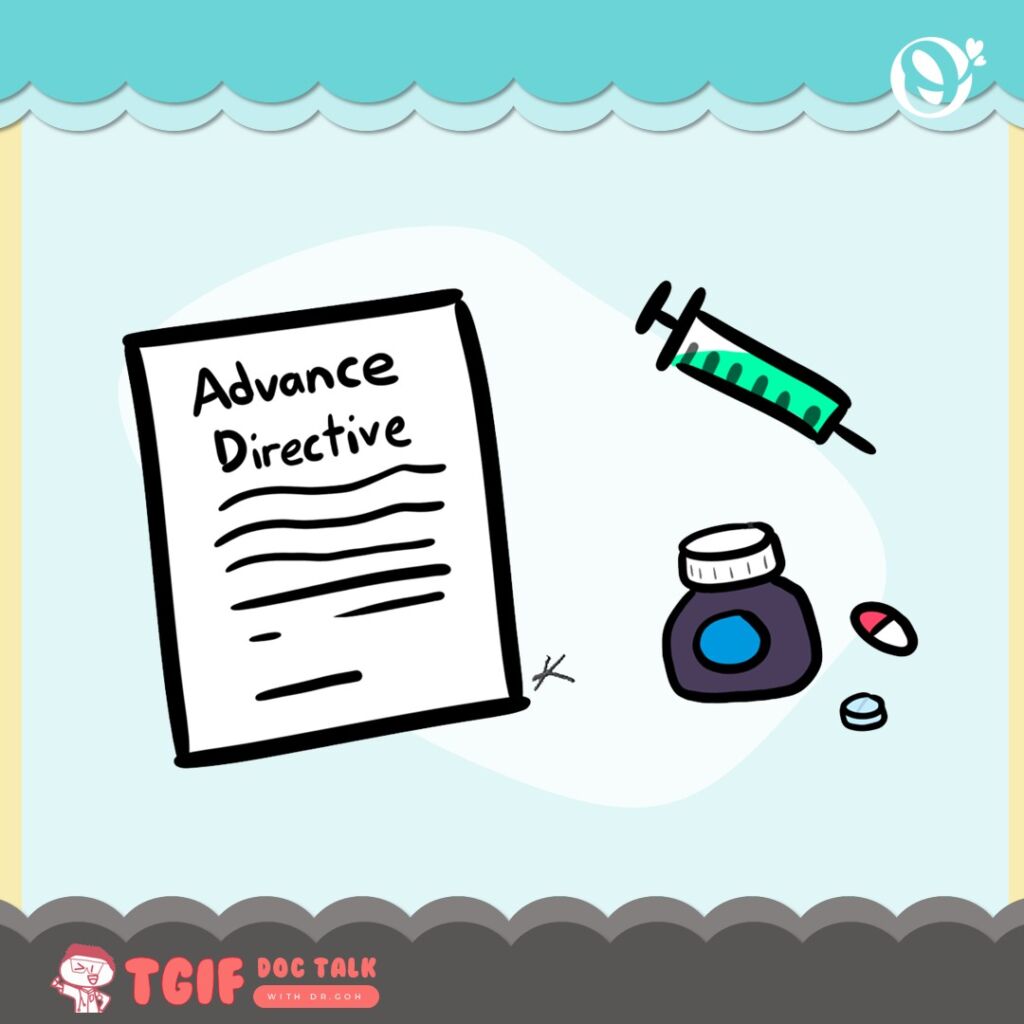
An advance directive is a legal document or written instruction that allows an individual to state their healthcare preferences in advance. It comes into effect when they are no longer able to speak, make decisions, or communicate their wishes; often due to illness or incapacity.
In Malaysia, advance directives are becoming increasingly important for seniors who wish to ensure that their medical care reflects their personal values and beliefs.
“An advance directive is an instruction today for the future. For a time when you may no longer be able to make the decision yourself, whether physically or mentally.”
– Dr. Goh, Oretha’s Senior Care TGIF Doc Talk
When Do Advance Directives Matter Most?
Advance directives are particularly crucial for conditions that progressively affect decision-making or physical ability.
Common examples include:
- Parkinson’s disease – where control over movement and speech gradually declines.
- Alzheimer’s disease and other forms of dementia – where memory and reasoning slowly deteriorate.
At the early stages, a senior may still be able to express their wishes clearly. However, as these illnesses progress, the ability to make complex medical decisions often fades. Having an advance directive ensures that their choices are known and respected when that time comes.
Types of Decisions in an Advance Directive
An advance directive usually covers decisions about life-sustaining treatments and medical interventions. These may include:
- Whether to undergo Cardiopulmonary Resuscitation (CPR) if the heart stops.
- Whether to accept intubation or the use of machines to support breathing.
- Whether to receive dialysis or undergo major surgery at an advanced age.
- Whether to choose comfort care, such as oxygen, pain relief, or intravenous drips, to ensure dignity and ease of passing.
These are deeply personal choices. Some people wish to pursue every possible life-saving measure. Others prefer comfort and peace rather than invasive medical procedures at the end of life.

Appointing a Trusted Person: Healthcare Proxy or Power of Attorney
An essential part of an advance directive is appointing someone you trust to make healthcare decisions on your behalf if you cannot do so yourself.
This person may be a close family member, a good friend, or someone who understands your values and priorities.
“It’s not about predicting the future. It’s about being prepared for the future.”
If you do not have close family, it is still vital to name a trusted individual who will ensure your wishes are honoured.
Why Advance Directives Are So Important
As we age, health can become unpredictable. Some elderly individuals remain independent and alert into their 90s, but many face chronic illnesses or dementia.
When a health crisis occurs, families are often faced to make quick, emotional decisions. Without clear guidance from an advance directive, these decisions can lead to family conflict, guilt, and confusion.
Imagine one sibling saying “Let’s do everything possible”, while another insists, “Let’s focus on comfort care”. Without clear instructions, even the most loving families can be torn apart by uncertainty.
An advance directive provides clarity and peace of mind to everyone involved — family members, caregivers, and healthcare professionals alike. It ensures that decisions made are truly aligned with the elderly person’s values and wishes.

A Common Misunderstanding: It’s About Empowerment, Not Giving Up
One of the biggest misconceptions about advance directives is that it means “giving up” or refusing treatment.
“Advance directives are about empowerment, not surrender. They ensure you receive the care that matches your beliefs and priorities, not just what is medically possible.”
Choosing not to pursue aggressive treatment does not mean you are giving up. It means you are choosing comfort, dignity, and alignment with your personal values.
When and How to Discuss Advance Directives
The best time to discuss and plan an advance directive is when you are healthy and able to think clearly, not during a hospital emergency.
You can start by:
- Talking to your doctor about what types of treatment options are available.
- Discussing your wishes with your family to ensure they understand your priorities.
- Documenting your preferences in writing with clear instructions.
Typically, healthcare professionals discuss three levels of medical intervention:
- Comfort care only – oxygen, IV fluids, and pain relief.
- Limited interventions – minor surgeries or dialysis.
- Full medical treatment – CPR, intubation, and advanced life support.
Understanding these levels helps you make informed decisions about what kind of medical care you would or would not want in the future.
Advance Directives: A Gift of Love and Respect
Advance directives are not just about paperwork.
“An advance directive is a gift of love, clarity, and respect — for yourself and for those who care for you.”
It spares your family from painful arguments, removes uncertainty, and gives everyone peace knowing that your care truly reflects your values.
At the end of the day, this isn’t about death. It’s about living with dignity and leaving behind a legacy of clarity and compassion.
Expert Advice from Dr. Goh
Listen to Dr. Goh’s expert overview on why it is important for seniors and families to discuss about advance directives.
Important Note:
This article is for informational purposes only and does not replace professional medical or legal advice. Always consult a qualified healthcare provider or a qualified professional for personalised guidance on preparing advance directives in Malaysia.