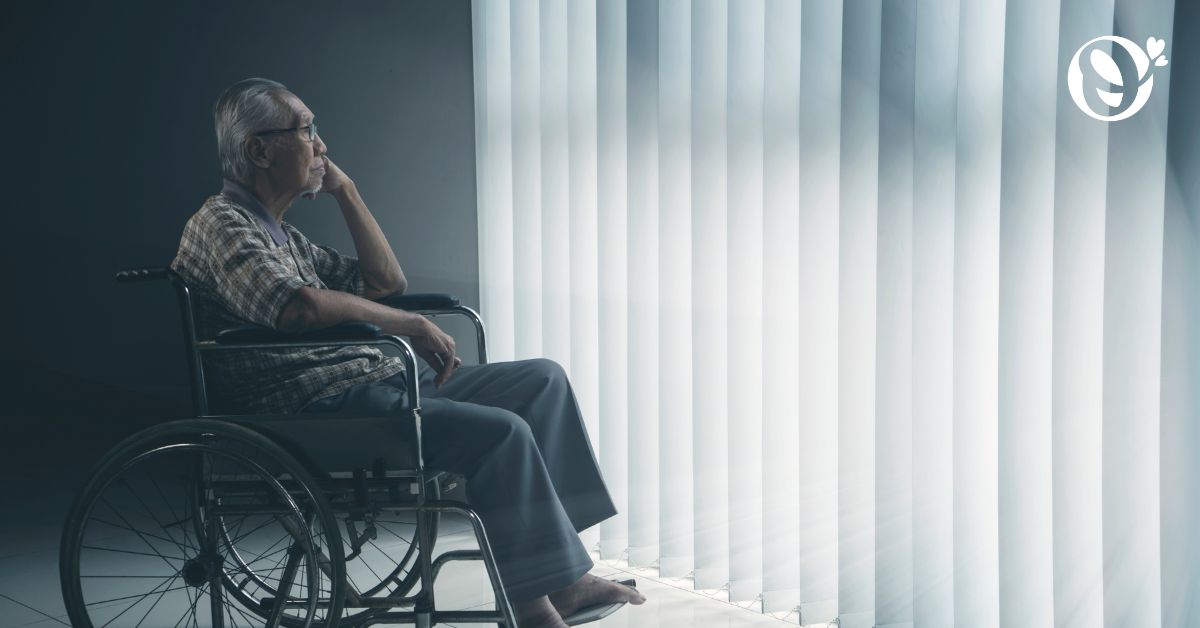
The year-end festive season often brings images of joyful gatherings, shared meals, and meaningful conversations with loved ones. For many families, December feels warm and celebratory. However, for a significant number of older adults, this season can feel unexpectedly quiet, isolating, and emotionally heavy.
Loneliness and holiday blues among seniors are more common than many people realise. While younger family members stay busy with work, travel, or celebrations, older adults may find themselves spending long hours alone. These feelings often remain unspoken, not because they are insignificant, but because many seniors do not want to burden others.
Understanding why loneliness affects seniors more deeply during the holidays, and knowing how to respond, can make a meaningful difference to their emotional and mental well-being.
Why Loneliness Hits Seniors Harder During the Holidays
Loneliness in older adults does not happen overnight. It often builds quietly over time and becomes more noticeable during festive periods when routines change and expectations of togetherness increase.
One common reason is physical separation from family. Adult children may live overseas or in other states. Even when family members live nearby, busy schedules and social commitments may limit visits during the holiday season.
Another major contribution is loss. Many seniors have experienced the passing of a spouse, close friends, or siblings. Festive occasions can intensify feelings of grief, as traditions once shared now highlight what has changed.
Mobility challenges also play a role. Seniors with joint pain, balance issues, or chronic illness may find it difficult to attend gatherings or travel independently. When outings decrease, social interaction naturally declines.
In addition, many seniors experience a disruption to their daily structure during the holidays. Regular routines such as community programmes, therapy sessions, or social clubs may pause temporarily. When days lose structure, feelings of purposelessness and isolation can increase.
Despite these struggles, may seniors remain silent. They often choose not to express their loneliness because they do not want to worry their children or feel like a burden. This emotional restraint can make loneliness even more profound.

Signs of Loneliness and Holiday Blues in Seniors
Loneliness does not always present as sadness. Families should look out for subtle changes in behaviour or mood, especially during the festive season.
Common signs include withdrawal from conversations, reduced interest in activities they once enjoyed, changes in appetite, poor sleep, increase irritability, or frequent complaints of fatigue. Some seniors may appear more anxious, tearful, or confused than usual.
In some cases, loneliness may contribute to depressive symptoms, cognitive decline, or worsening physical health. Social isolation has been linked to higher risks of depression, dementia progression, and even cardiovascular problems in older adults.
Recognising these signs early allows families to intervene gently and supportively.
What Seniors Can Do to Ease Loneliness During the Holidays
Small, intentional steps can make a significant difference in easing holiday blues.
One of the most important actions is having a reason to get up, get dressed, and step outside. Even a few hours spent away from home can give the day structure and meaning. This could involve attending a senior programme, visiting a cafe, or taking a short walk in a familiar environment.
Being around people does not always require deep conversations. Casual interactions, shared laughter, and simple companionship remind seniors that they are not alone. Spending time in a shared space often lifts mood more than staying isolated at home.
Staying physically active also plays an important role. Gentle group exercises such as tai chi, stretching sessions, or line dancing improve mood, circulation, and confidence. Physical movement supports mental health while encouraging social connection.
Most importantly, seniors should feel reassured that seeking connection is not a sign of weakness. Human connection remains a basic need at every stage of life.

How Families and Caregivers Can Support Seniors During the Holidays
Families play a vital role in protecting seniors from loneliness, even when time is limited.
Simple gestures matter. Regular phone calls, video calls, or short visits can provide reassurance and emotional stability. Even brief check-ins remind seniors that they remain valued and remembered.
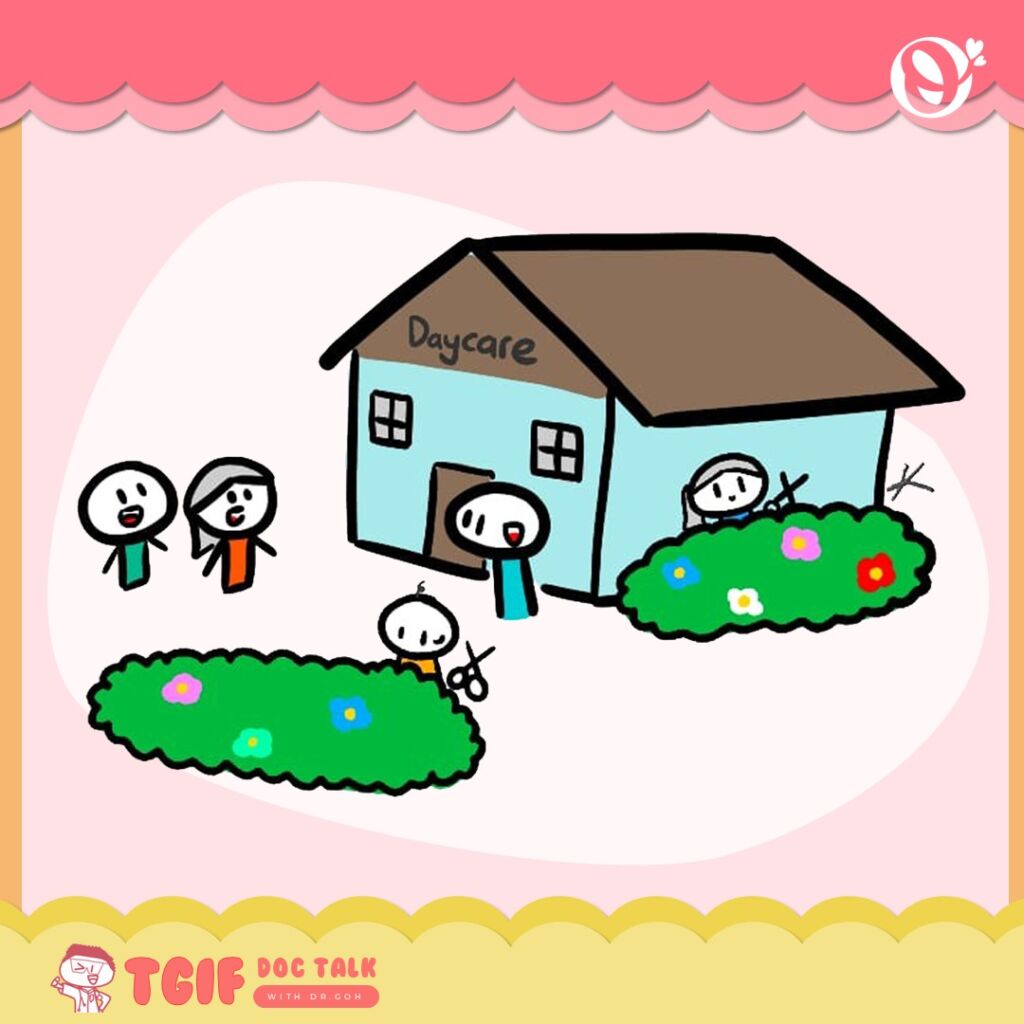
Encouraging participation in structured programmes can also be highly beneficial. Senior daycares and enrichment centres provide safe, supervised environments where older adults can socialise, participate in activities, and form new friendships. These settings help restore routine, purpose, and belonging.
For seniors with mobility limitations, families can consider assisted outings. With the support of trained senior concierge services, older adults can enjoy short trips to parks, shopping centres, place of worship, or social visits without fear or fatigue. These experiences may seem small, but they can significantly improve emotional well-being.
Caregivers should also acknowledge their own efforts. Supporting an ageing loved one requires patience, emotional resilience, and commitment. Your presence and consistency often mean more than you realise.
A Message to Seniors and Caregivers
If you are a senior experiencing loneliness this season, please remember that your presence matters. You are not alone, even if it feels that way at times. Reaching out, participating, or simply spending time around others can help ease the weight of isolation.
If you are caring for a senior, your effort does not go unnoticed. Your patience, concern, and time make a meaningful difference in their life.
The holidays do not have to be perfect. What matters most is connection, understanding, and kindness, especially for those who may be struggling quietly.
Expert Advice from Dr. Goh
Listen to Dr. Goh’s expert overview on supporting seniors through the holiday season.
Important Note:
This article is for informational purposes only and does not replace professional medical, psychological, or mental health advice. If a senior shows persistent signs of depression, severe emotional distress, or cognitive decline, please seek advice from a qualified healthcare provider or a qualified professional.